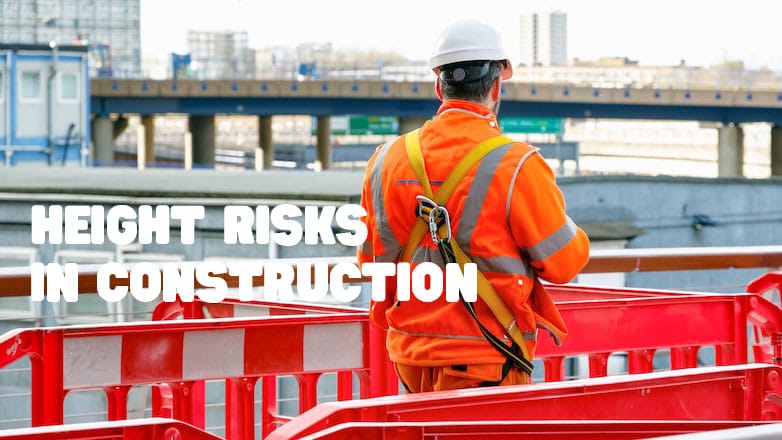
Height Risks in Construction
Height Risks in Construction: £60,000 Fine Highlights the Importance of Proper Work at Height Controls
A recent prosecution by the Health and Safety Executive (HSE) has once again highlighted the serious consequences of failing to properly manage work at height risks in construction.
In January 2026, the HSE confirmed that a construction company was fined £60,000, with additional costs and a victim surcharge, after a worker fell through an unprotected floor opening and sustained serious injuries. The case serves as a stark warning to construction companies across London and the wider UK building industry.
What Went Wrong on Site?
The incident occurred in April 2024 while a general labourer was carrying out cleaning work on the first floor of a construction site. Earlier in the day, boards had been placed across a stairwell opening, but they did not fully cover the opening, and no edge protection had been installed.
The HSE investigation identified multiple serious failings, including:
• No edge protection around the remaining floor opening
• No warning signage highlighting the danger
• No safety instructions provided to the worker
• No site supervisor or manager present at the time of the incident
While working near the opening, a newly built wall collapsed, knocking the worker over the unprotected edge and onto a concrete floor approximately 2.5 to 3 metres below.
The Legal Duties Around Work at Height
The injured worker suffered multiple fractures and a dislocated shoulder, spending a month in hospital. Following its investigation, the HSE concluded that the risk of falling through the floor opening had not been adequately assessed or controlled.
The company pleaded guilty to breaching Regulation 6(3) of the Work at Height Regulations 2005, which requires employers to take suitable and sufficient measures to prevent falls liable to cause personal injury.
The court imposed:
• £60,000 fine
• £4,799.44 in prosecution costs
• £2,000 victim surcharge
Why Height Risks Remain a Critical Issue in Construction
Work at height continues to be one of the leading causes of serious injury and fatalities in construction. This risk is particularly relevant for London construction projects, where sites are often complex, fast-moving and space constrained.
This case demonstrates how basic failures — such as missing edge protection, inadequate planning and lack of supervision — can expose contractors and duty holders to:
• Serious injury or loss of life
• HSE enforcement action and prosecution
• Significant financial penalties
• Project delays and reputational damage
How Richardson-Hill Supports Safe Work at Height
Richardson-Hill works with construction clients across London to help them identify, manage and control height-related risks before incidents occur.
Our Expertise Includes:
• Work at height risk assessments and method statements (RAMS)
• Compliance with the Work at Height Regulations 2005
• Advice on edge protection, floor openings and temporary works
• Independent health and safety inspections and audits
• Ongoing support for contractors, developers and duty holders
Incidents such as this are entirely preventable when the right safety systems, supervision and professional advice are in place.
A Proactive Approach to Height Risks Saves Lives
The HSE confirmed that this incident could have been avoided with proper planning, training and control measures. For construction companies operating in London, the message is clear: reactive safety management is not enough.
By engaging experienced health and safety consultants at an early stage, businesses can protect workers, meet their legal duties, and avoid costly enforcement action.
If you require expert support with height risks in construction, work at height compliance or construction health and safety management, Richardson-Hill is here to help. Contact us now for help and advice.