Scaffolding Road Safety
Scaffolding Road Safety in the Scaffolding Sector: Managing Transport Risk and Compliance in London
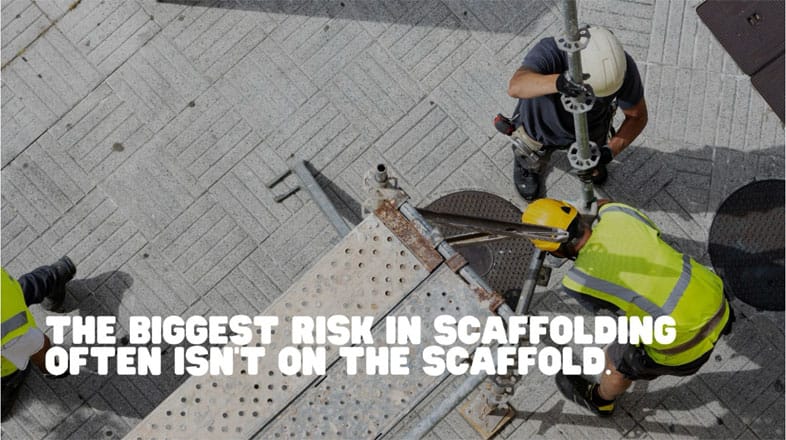
When scaffolding contractors think about risk, attention naturally turns to the structure itself, design integrity, safe erection, scaffolding inspections and site controls. But one of the most significant risks in the scaffolding sector often happens away from the scaffold. It happens on the road.
Every day, scaffolding vehicles move steel tubes, boards and fittings across London’s busy streets. Early starts, tight programmes and multiple site visits are part of normal operations. Yet the transport of materials between sites introduces a level of safety and compliance risk that is frequently underestimated.
A recent feature in Scaffolding Insider (December 2025) drew attention to the growing scrutiny around work-related scaffolding road safety and load security. For London scaffolding contractors, this is not theoretical. It is part of daily business.
The Risk Between Sites
Scaffolding operations depend on movement:
• Vehicles navigating congested urban routes
• Frequent loading and unloading
• Long working days
• Tight turnaround times
When pressure increases, standards can slip.
Poor load restraint can turn heavy components into serious hazards. A single unsecured load is enough to cause injury, enforcement action or lasting reputational damage. In London’s dense environment, with cyclists, pedestrians and restricted access zones, the margin for error is small.
Scaffolding road safety is not just a transport issue. It is a business risk.
Load Security and Compliance: What Regulators Expect
Scaffolding materials are long, heavy and irregular. That’s why scaffolding road safety is so important. Securing them properly is not simply good practice, it is a legal requirement.
Contractors should be able to demonstrate and undertake:
• Clear load planning procedures
• Competent, trained drivers
• Documented daily vehicle checks
• Ongoing maintenance and defect reporting
• Defined responsibility for fleet safety
Due to time pressure, daily walkaround checks are often rushed. Tyres, lights or restraints may not receive proper attention. Documentation can become inconsistent.
For smaller contractors without structured fleet systems, record-keeping gaps can quickly become liabilities during a roadside inspection or investigation.
Compliance is not about paperwork for its own sake. It is about being able to evidence control.
Fatigue and Operational Pressure
Scaffolders frequently begin work before peak traffic times. They may travel between several client sites, carry out physically demanding tasks and need to return equipment at the end of long shifts.
Fatigue reduces concentration and reaction time, particularly when driving larger vehicles in heavy traffic. In London, where road conditions are unpredictable, this increases the likelihood of incidents.
Work-related road safety should form part of a contractor’s wider health and safety strategy. It cannot sit separately from site risk management.
A Director-Level Responsibility
Transport risk is ultimately a leadership issue. Regulators, insurers and clients increasingly expect contractors to demonstrate proactive management of fleet and road safety risks. Informal systems or historic habits are no longer sufficient.
Directors should have visibility of:
• When transport risk was last formally reviewed
• Whether load security procedures are consistently applied
• Whether vehicle checks are recorded and auditable
• Whether driver competence is monitored and refreshed
Without clear oversight and documentation, demonstrating due diligence becomes difficult when it matters most.
Experience from the Field: Daniel Owen, Richardson Hill
Daniel Owen, Director of Operations at Richardson Hill, has over 20 years’ experience in health and safety across construction and other high-risk sectors. In his experience, scaffolding road safety transport risk is one of the most overlooked exposures in scaffolding.
“Most contractors invest heavily in site safety and rightly so. But road risk is often seen as routine operational activity rather than a significant compliance issue.
The reality is that one vehicle-related incident can have the same legal and reputational impact as a serious site accident. Directors need oversight of what’s happening between sites, not just on them.”
It’s a pattern we see regularly. Businesses tend to examine transport compliance only after enforcement action or an incident. The stronger contractors review and strengthen their systems before problems arise.
How Richardson Hill Supports London Scaffolding Contractors
At Richardson Hill, we work with scaffolding contractors across London to strengthen inspection regimes, training standards and compliance systems.
Our support includes:
• Independent scaffolding inspections
• Specialist health and safety training
• Practical compliance consultancy
• Structured review of transport and operational risk
• Assistance in evidencing due diligence
Our approach is straightforward and practical. We help contractors move from reactive compliance to structured systems that stand up to scrutiny.
Staying Ahead of Increasing Scrutiny
Work-related road safety is receiving greater attention across the scaffolding and construction sectors. Enforcement activity is visible. Client expectations continue to rise. Director accountability is clearer than ever.
For London-based scaffolding contractors, proactive transport risk management is no longer optional.
Richardson Hill remains committed to supporting the industry with knowledgeable inspections, targeted training and practical compliance expertise — helping contractors operate safely, professionally and with confidence across London.
Concerned About Transport Risk in Your Scaffolding Operations?
Book a structured transport compliance review with Richardson Hill and gain clear, practical recommendations before issues arise. Contact Us Now.